Overview
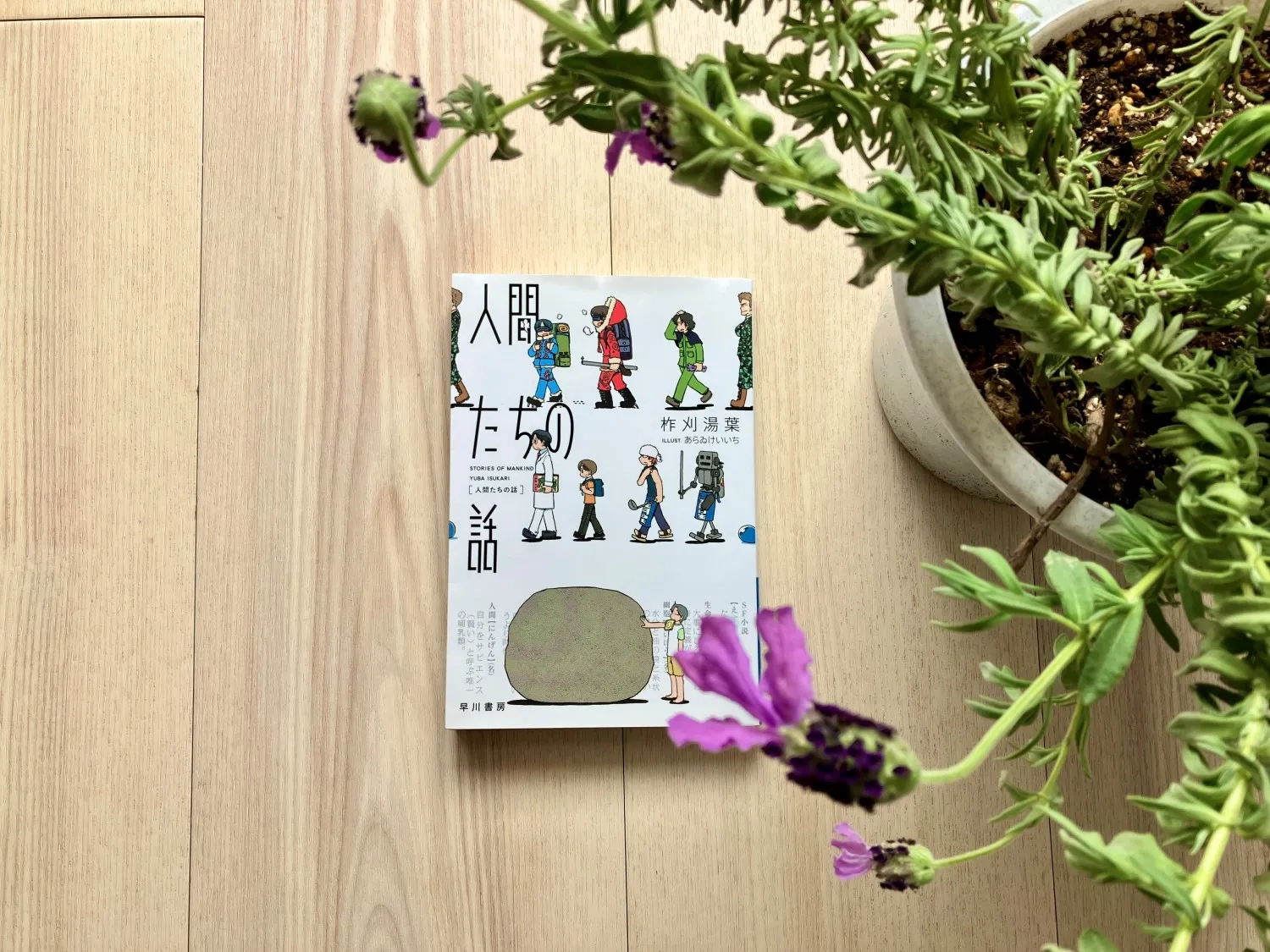
I read this because I borrowed it from someone. I’ll write a spoiler summary and my thoughts.
Summary
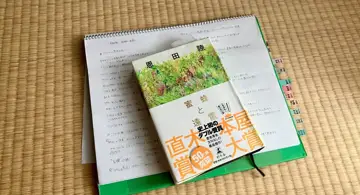
- “The Age of Winter”: Yachidamo, a 12-year-old boy from the village of Kozukata, and Enju, a 19-year-old boy, travel through a Japan covered in ice and snow, heading for a warmer region. In the fields, cold-adapted artificial animals created through genome design are everywhere.
- “The Fun Super-Surveillance Society”: A pastiche of George Orwell’s Nineteen Eighty-Four. That story was about people on the anti-government side in Oceania, but this one is about people on the pro-system side in Eastasia. A young person in a surveillance society strongly reports anti-government people.
- “Stories of Humans”: A story about a person who researches extraterrestrial life because they are looking for beings different from themselves. The protagonist sees the situation of their nephew, understands why they were looking for something different in the first place, and sympathizes with him.
- “Heavy-Oil-Flavored Space Ramen”: A story set on a trans-Neptunian object (somewhere farther away than Neptune). It is about a ramen shop whose policy is “anyone with a digestive tract is a customer.” It is an SF fantasy about doing business with extraterrestrial life forms across the galaxy.
Thoughts
- “The Age of Winter”: I didn’t really understand what it was about.
- “The Fun Super-Surveillance Society”: When it comes to a story about a surveillance society, we naturally tend to assume it will be about the anti-government side. I do too. But this story says the opposite can also happen. I thought, “Is this a parody of Nineteen Eighty-Four?” But in the author’s afterword, I learned the word “pastiche.” Apparently, even among imitation, a parody satirizes the original, an homage respects the original, and a pastiche imitates the style of the original.
- “Stories of Humans”:
- The protagonist’s logic was easy to understand: life on Earth is full of sameness, so they search for extraterrestrial life because they want something different.
- The nephew has been abandoned by his parents, and says, “Because I’m an only child, I feel like maybe I was born by some kind of mistake. So I wish I had siblings.”
- The protagonist overlaps that nephew with themselves, who are “searching for extraterrestrial life in order to feel that life was born because it was meant to be born,” and sympathizes with him.
- The story itself, where the question “Why did I want to do ___ in the first place?” is solved, is interesting. But I didn’t really understand the logic that “if there is one more person, I can believe I was born because I was meant to be born, and I can feel happy because it seems like the result was based on necessity.” So my feeling after reading it was not that good.
- “Heavy-Oil-Flavored Space Ramen”:
- I laughed when Chikyū no Arukikata (How to Walk the Earth) appeared. In this story, it seriously means how to walk on “Earth.”
- “I like the fat of Earth people.” “Don’t eat Earth people. That fat is from an Earth animal called a pig.” The extraterrestrial life forms have a rough understanding of life on Earth, and that is funny.
- Galactic Standard Language has forms of expression such as optical methods, matter-wave methods, and radiation methods. The detailed world-building is nice.
- It is an SF fantasy work packed with world-building, and I could feel its limitless imagination.
- Also, it is funny that this short story comes right after “Stories of Humans.”
There were several other short stories too, but they didn’t leave a very strong impression on me, so I’ll stop here.
But I also thought that maybe they didn’t leave much of an impression because I didn’t have enough background knowledge. After all, “The Fun Super-Surveillance Society” would probably be seriously confusing if I had not read Nineteen Eighty-Four. In the same way, for the stories I didn’t really understand, maybe there were other original references behind them...
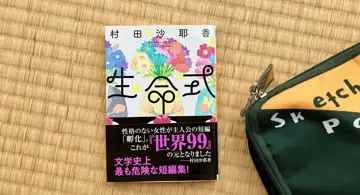
The feeling after reading this was quite different from another short story collection I read recently. Life Ceremony had a consistent mood across the whole collection, so it felt like eating a full-course meal.